SAINT CLAIR CEMIN
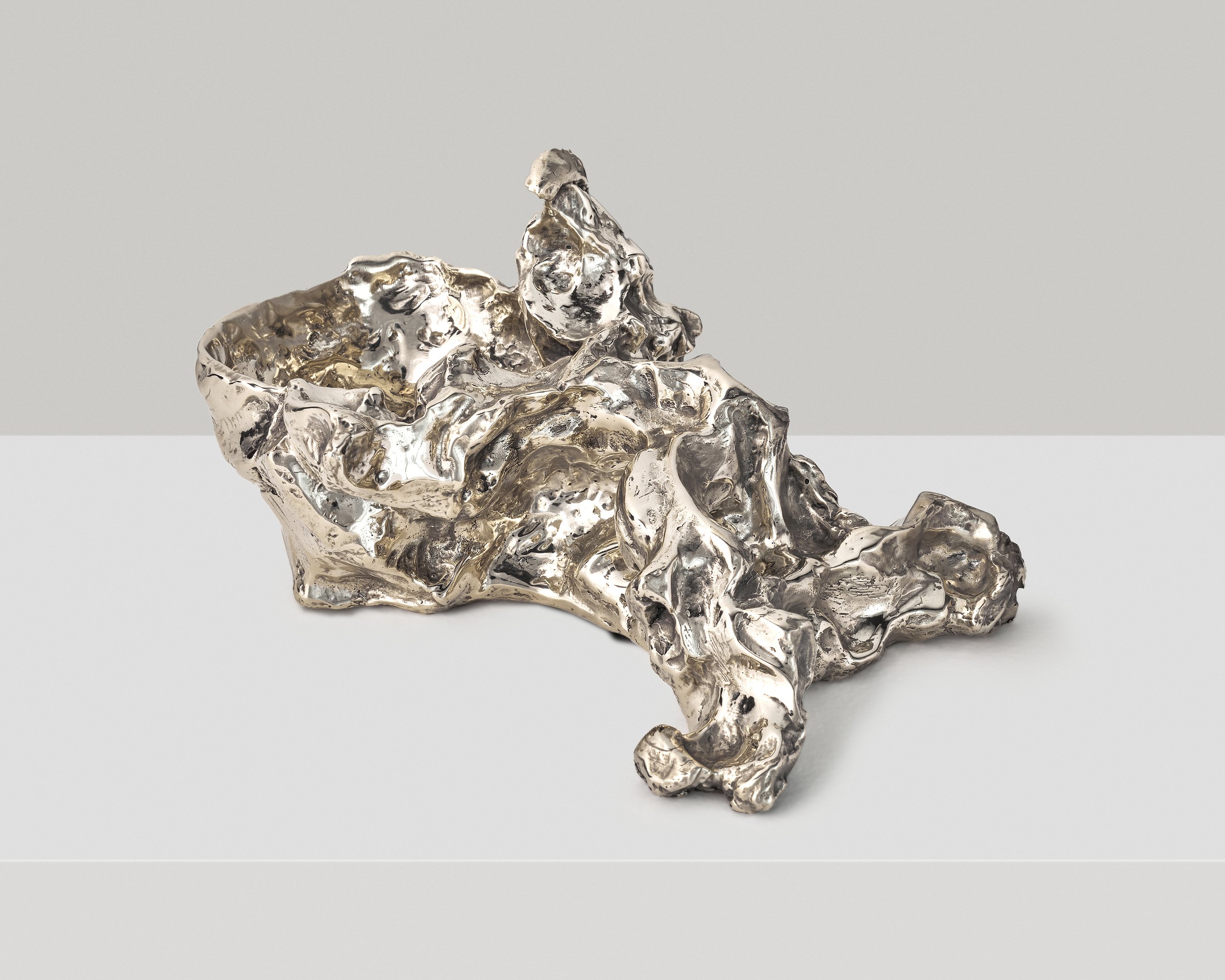
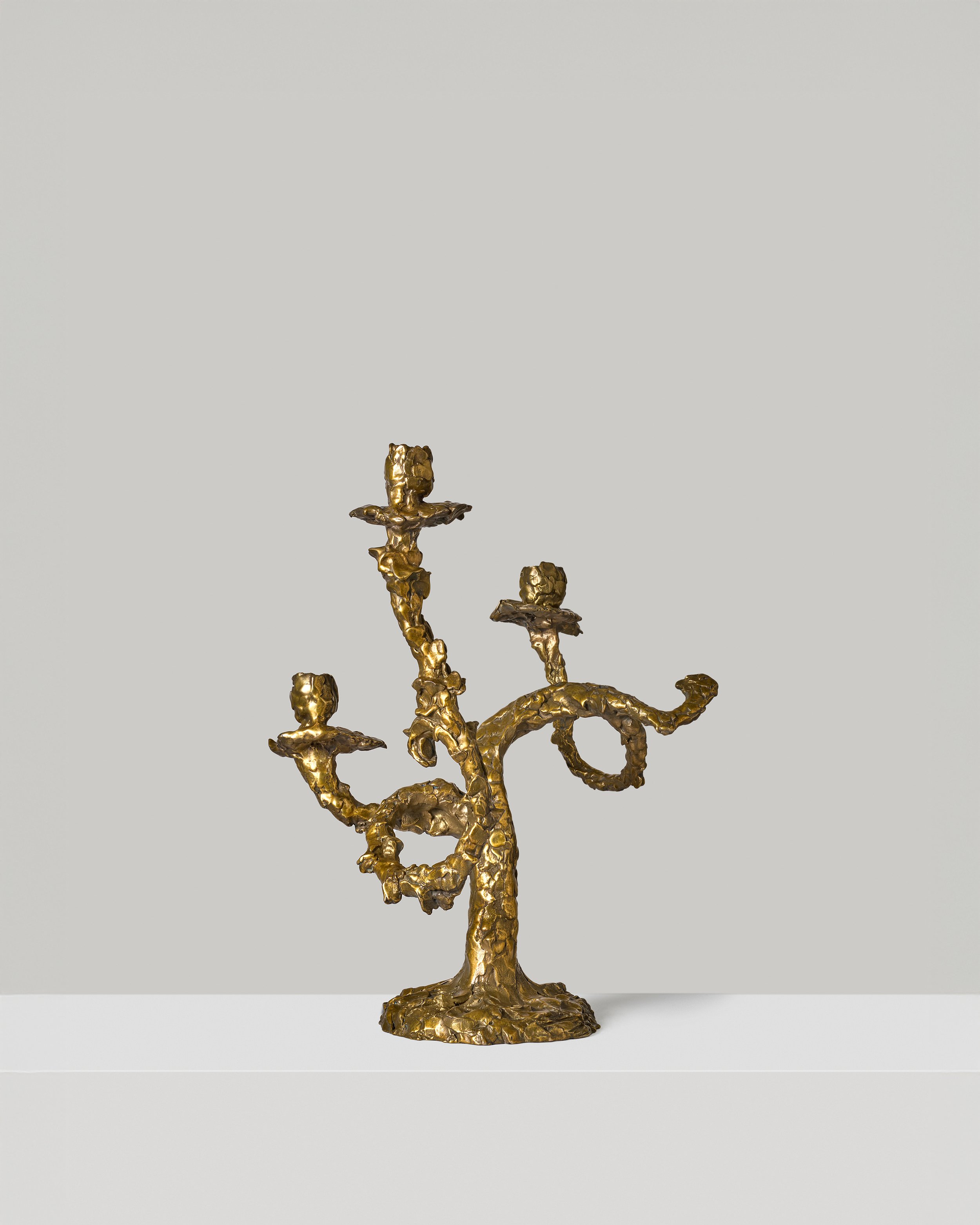
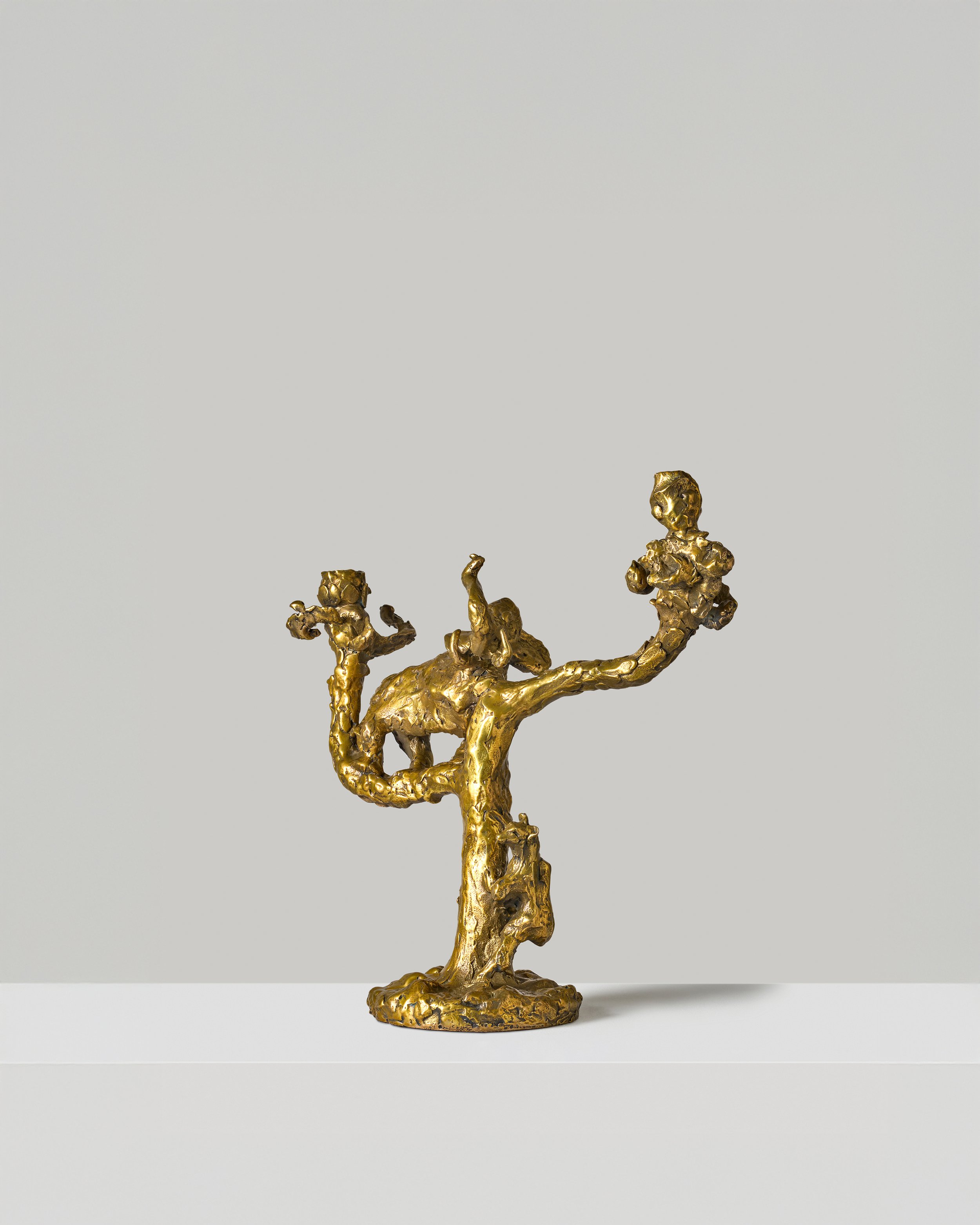
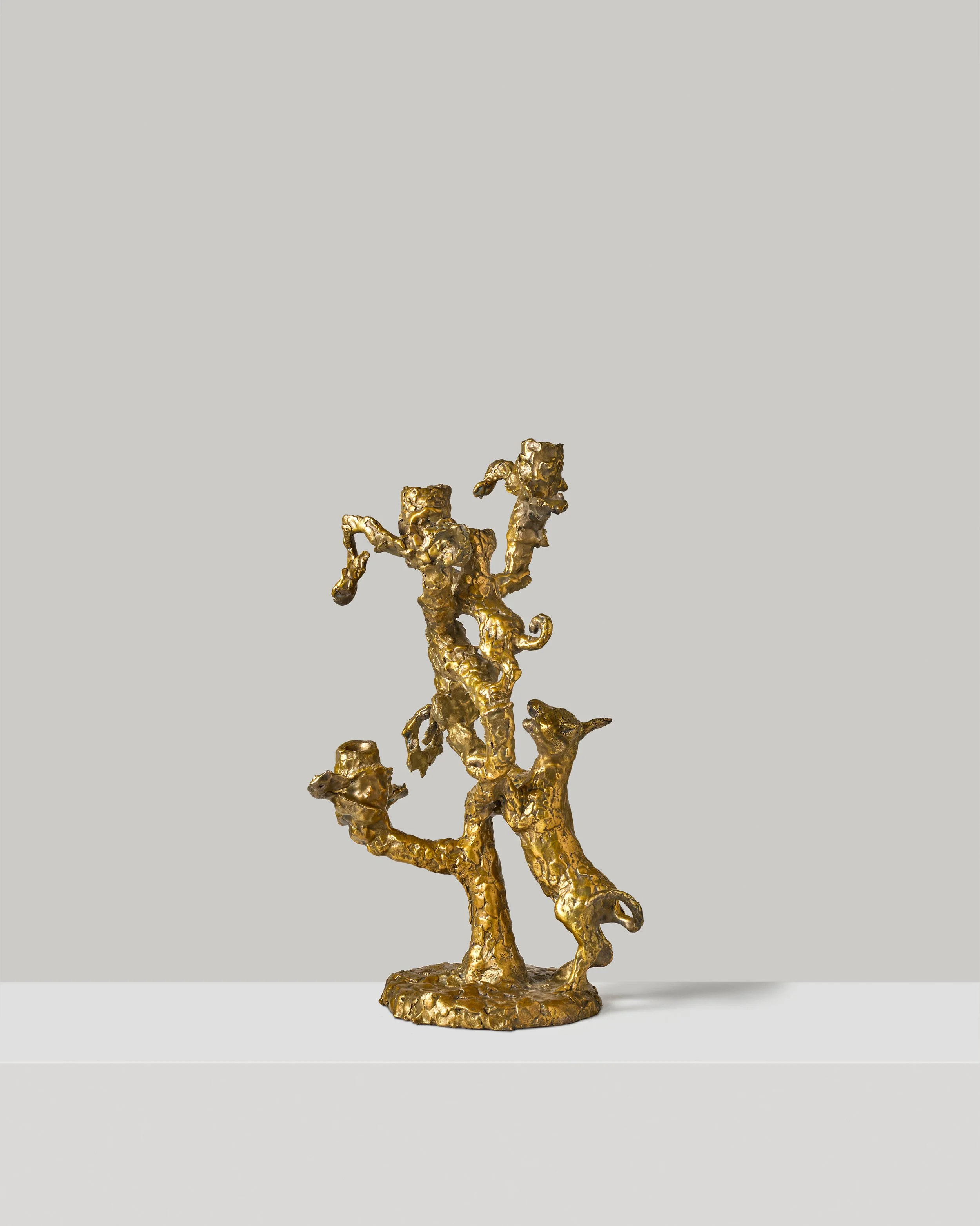
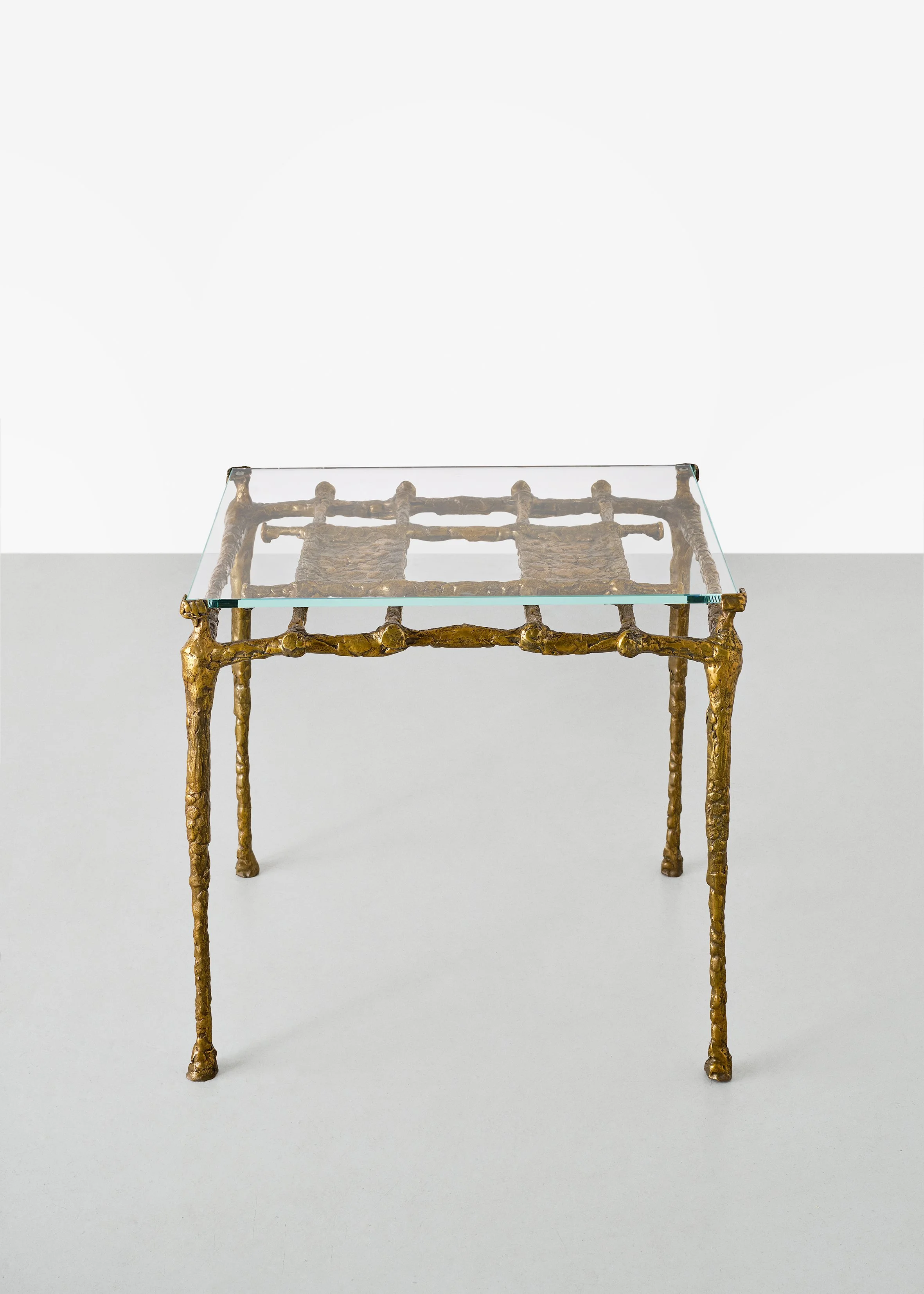
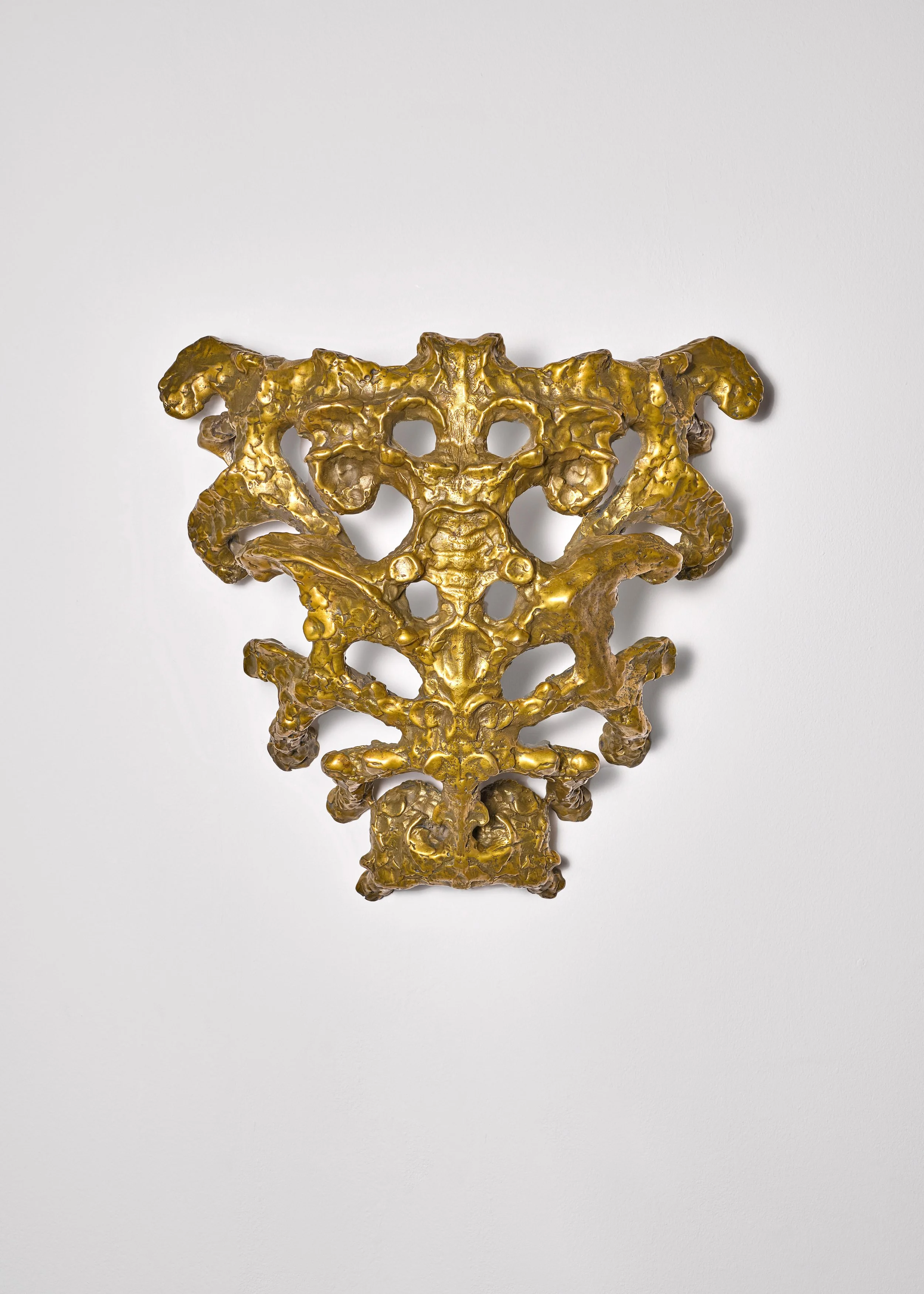
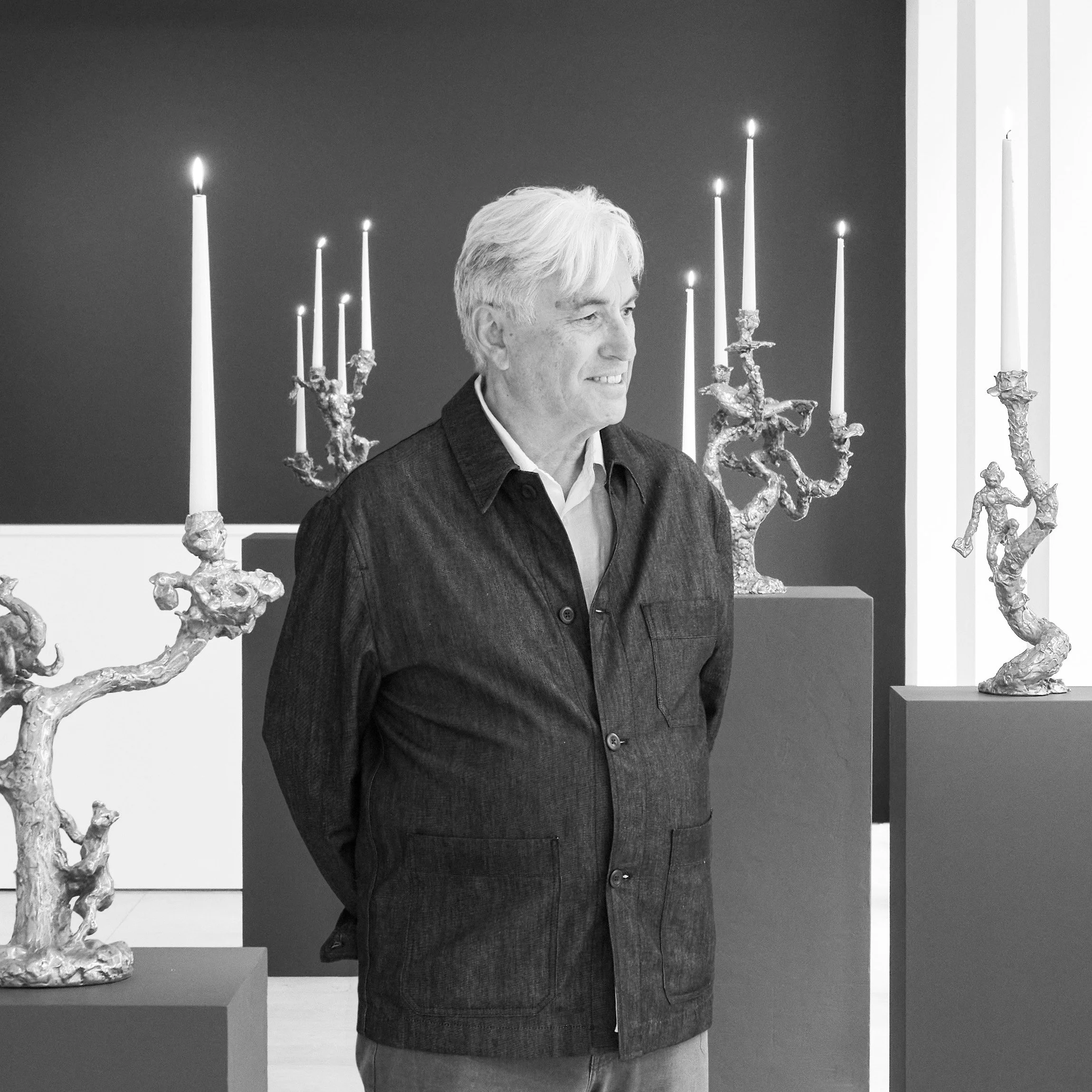
Saint Clair Cemin (b. Cruz Alta, Brazil, 1951) is a postmodern sculptor living and working between the United States and Greece. From the naturalistic to the abstract surreal, Saint Clair Cemin’s broad sculptural vocabulary presents a bold panoply of work that is both striking and immediate. Cannibalizing the history of sculpture itself, as well as its many styles and techniques, Cemin’s inventive forms span the vast expanse of the visual universe. Cemin has been very influential on the younger generation of the ’90s and 2000s, mostly in Brazil, his native country, where he became well-known after his participation in the 1992 IXth Documenta in Kassel, curated by Jan Hoet. He defends a holistic approach to art where all of art’s parameters are to be explored and exploited. This is shown in his use of different artistic languages, which are sometimes presented in anarchic combination, in order to produce what he calls “interference patterns” in the mind of the viewer.
Cemin began drawing at an early age, contributing to illustrations for magazines such as Planeta in the mid 1960s. In 1975, he enrolled at the École Nationale Supérieure des Beaux-Arts in Paris, France, where he specialised in etching. Shortly after graduating, he moved to New York City where he worked primarily in printmaking. He began experimenting with sculpture after seeing the 1979 retrospective of Joseph Beuys at the Guggenheim Museum in New York. He exhibited his sculpture for the first time at the Red Bar in 1982, and soon after became a key figure in New York’s East Village art scene.The work of Cemin is included in the collections of the Whitney Museum of American Art in New York; Fonds National d’Art Contemporain in Paris; Emily Fisher Landau Collection in Long Island City; Rooseum in Stockholm; Eli Broad Family Foundation in Los Angeles; the Museum of Contemporary Art in Los Angeles; and Inhotim, Minas Gerais in Brazil.
WORKS